






Japanese Fine Art | Galerie Kommoss
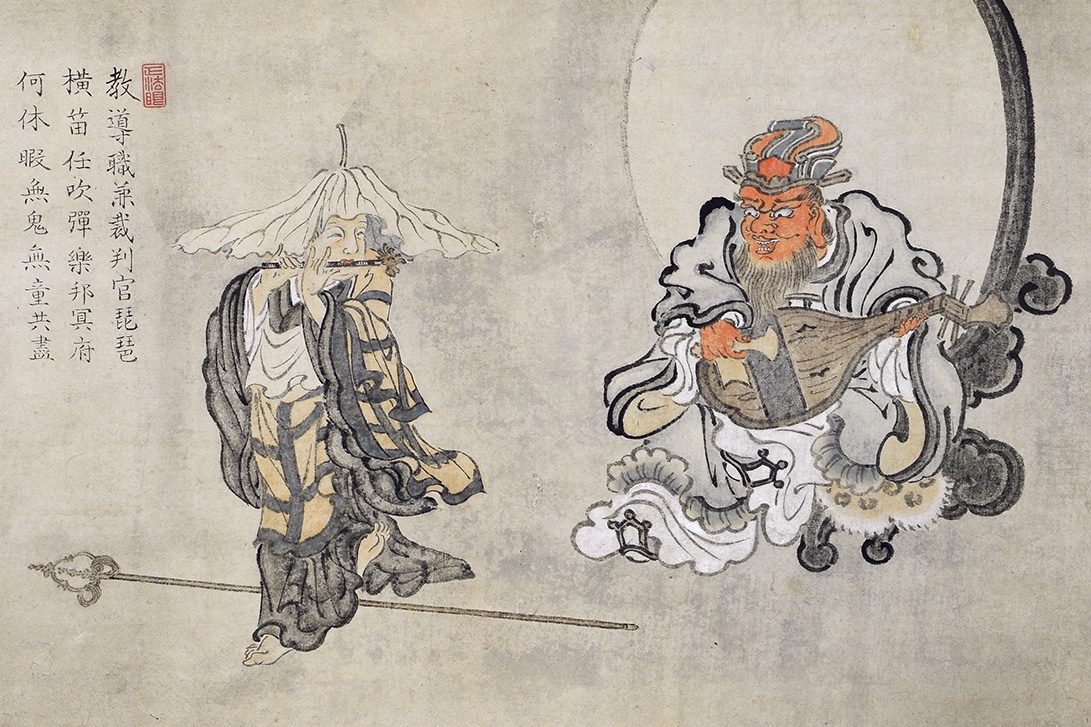
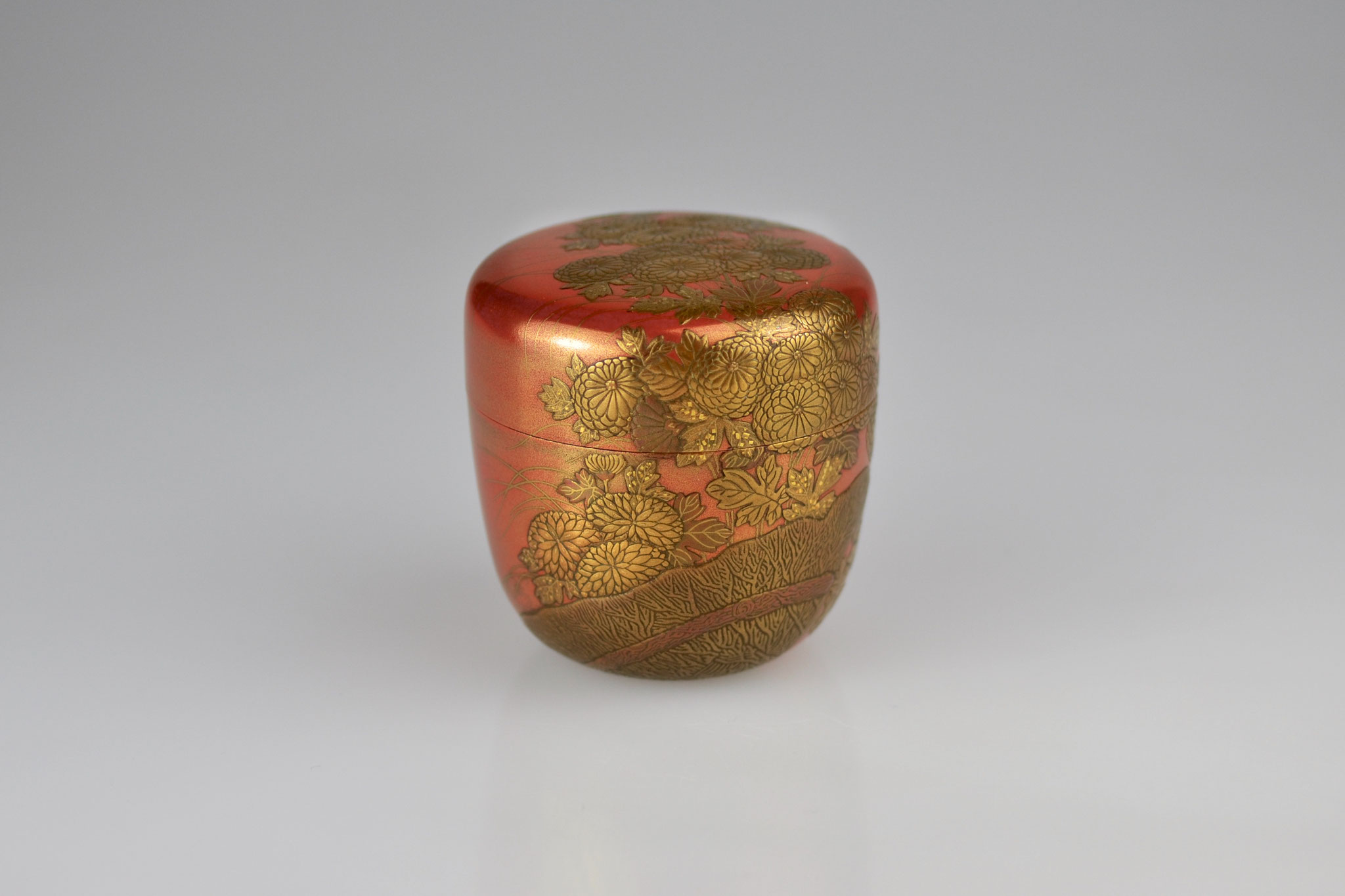
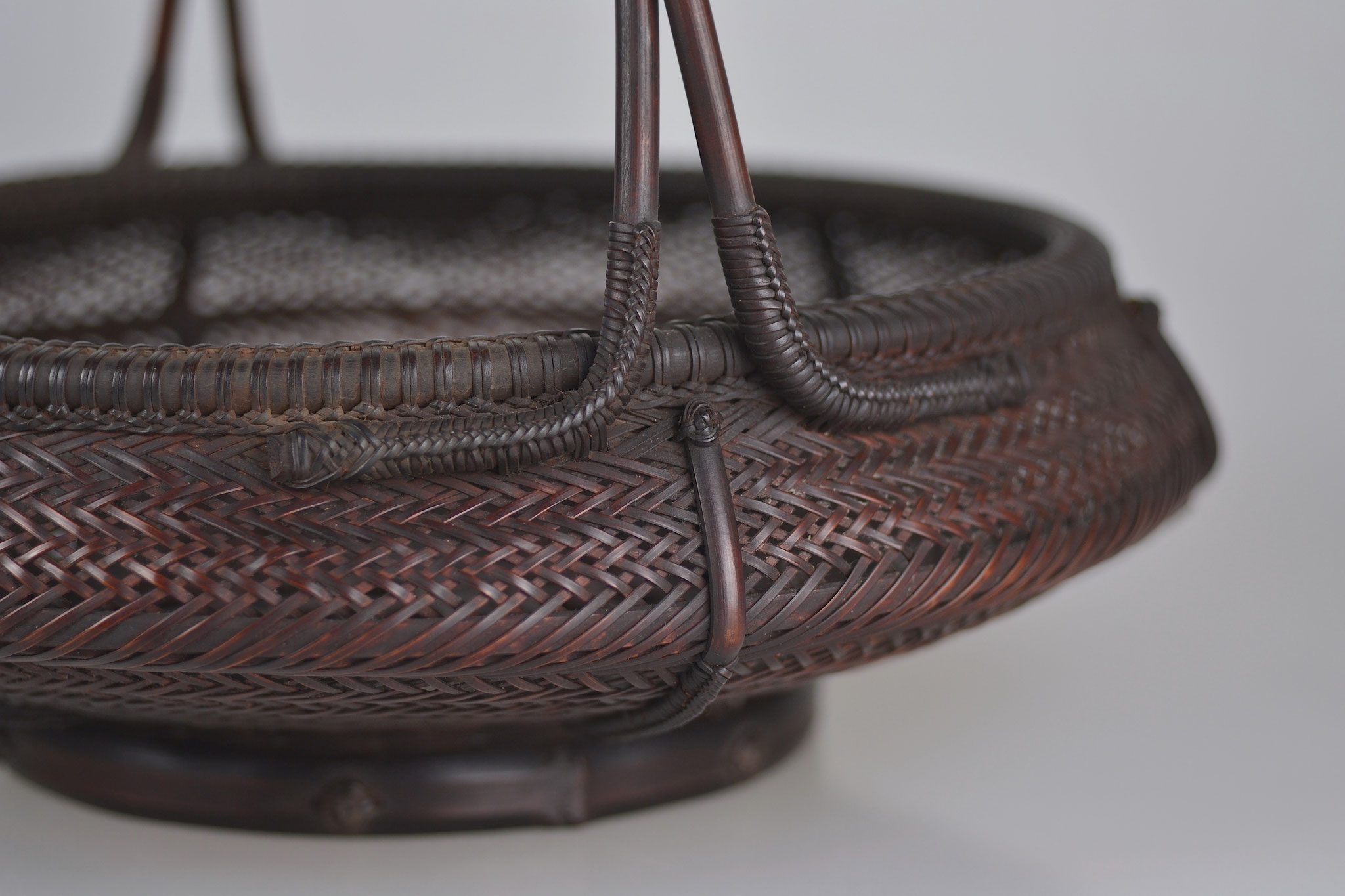
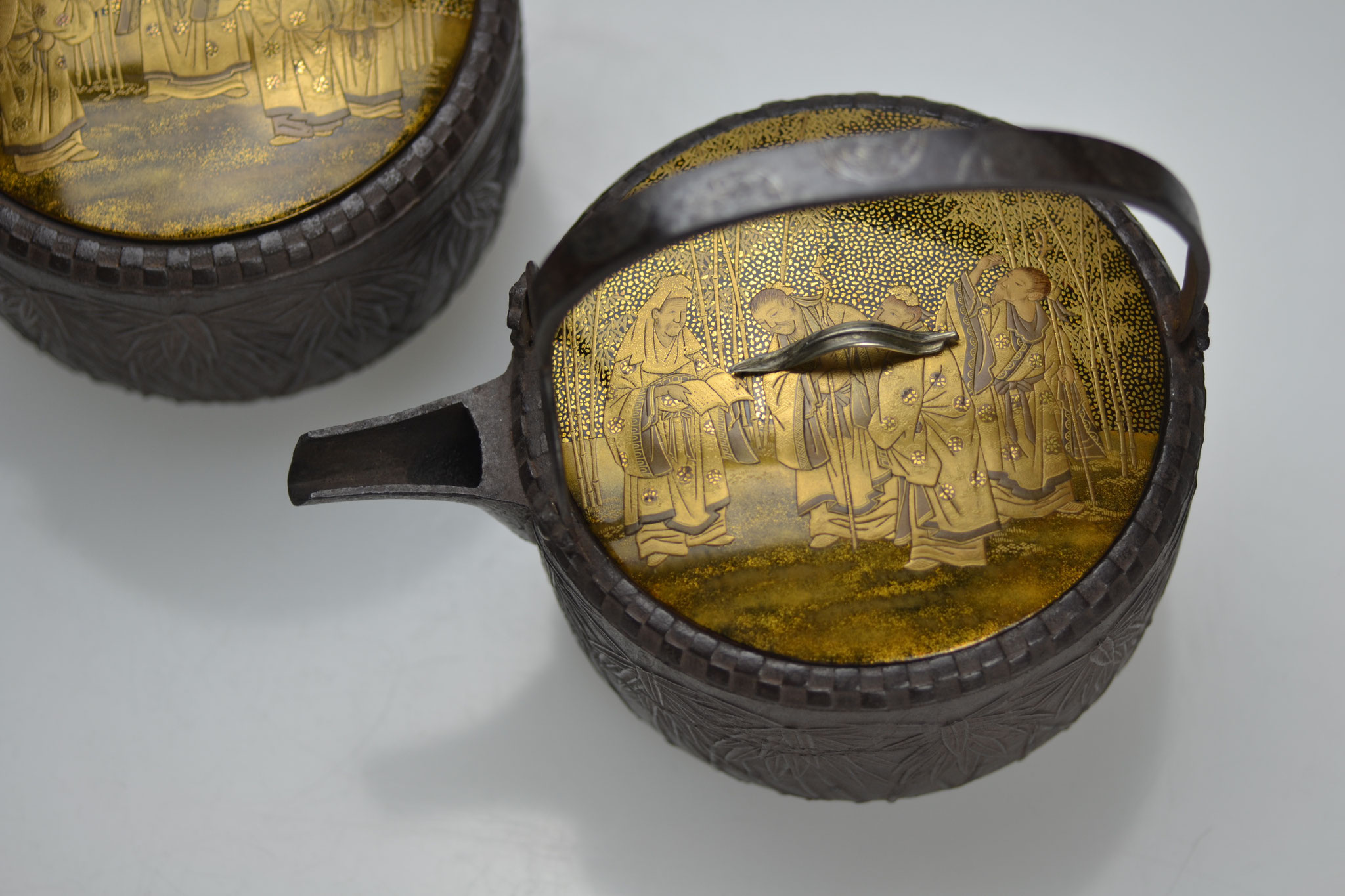
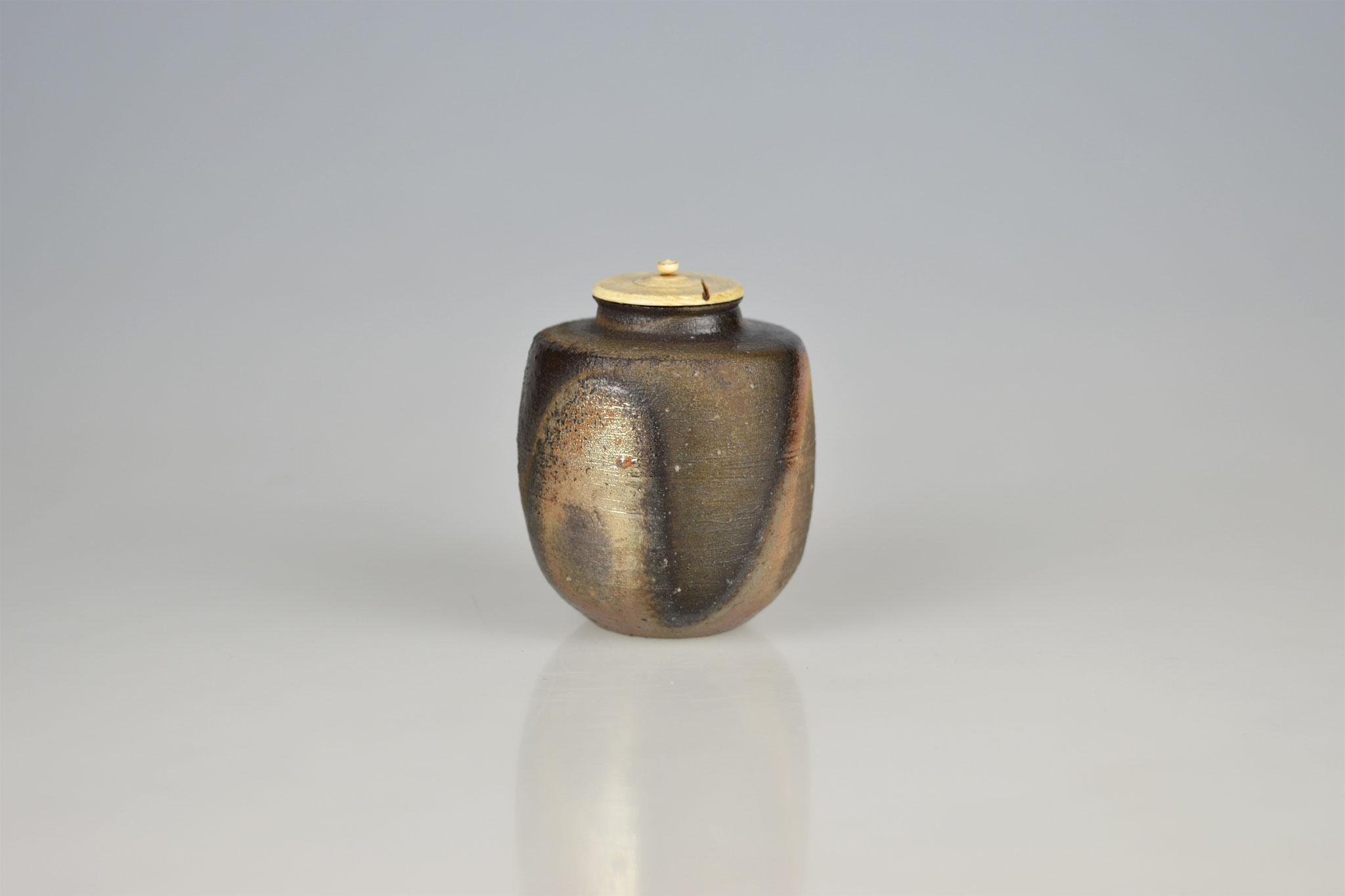
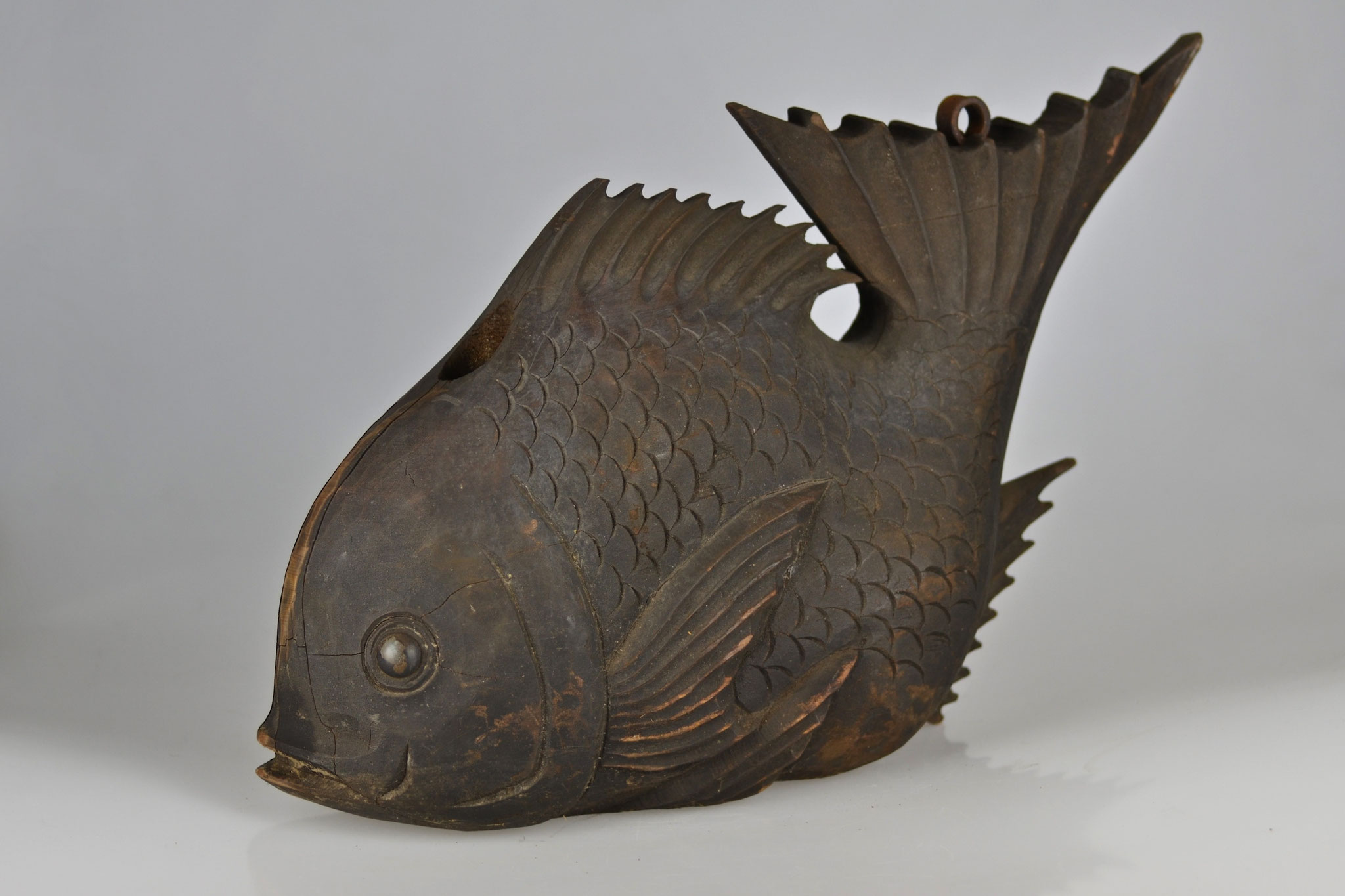
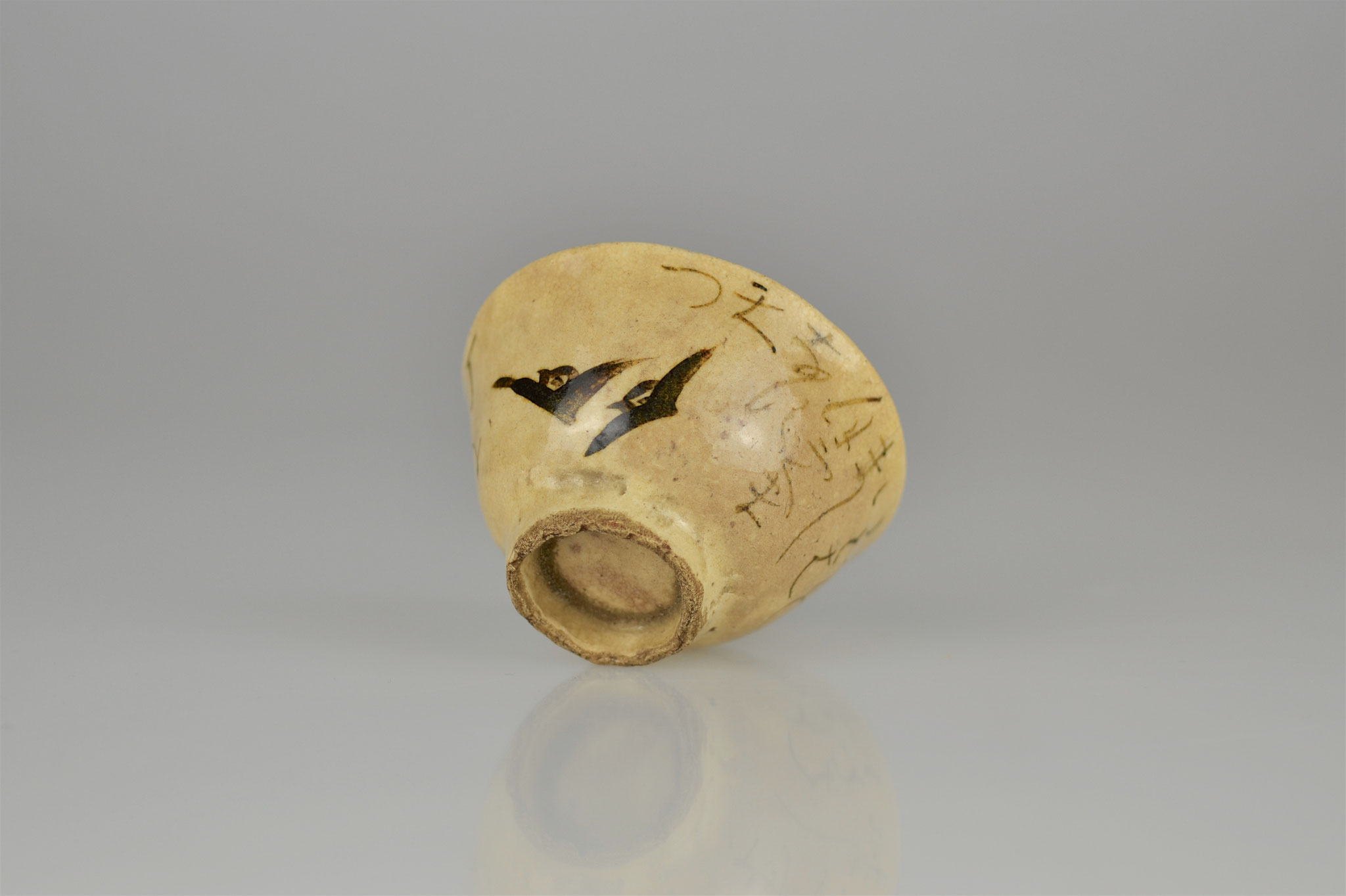
Galerie Kommoss is a leading European gallery specializing in fine Japanese art. The collection includes screen paintings and hanging scrolls, traditional ceramics, elegant lacquer works, exceptional sculptures, metalwork, calligraphy, and intricately woven bamboo flower baskets. All objects are unique works carefully selected by the gallerist and art historian Dr. Fabian Alexander Kommoss for their artistic quality, cultural significance, and provenance.
Why Japanese Art?
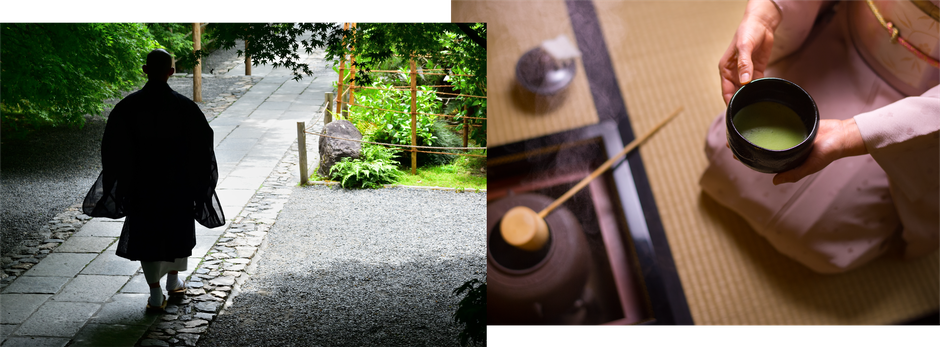
Refined elegance and astonishing craftsmanship on one side, and rough, coarse-looking ceramics that seem to have been created by nature itself on the other, the wide spectrum of Japanese art is fascinating and never monotonous. In fact, the opposite is true: Whether you look at the more popular and immediately appealing images of a Hokusai, the serene beauty of Japanese Buddhist sculpture, or the often complex aesthetic programs of traditional tea culture, the deeper you delve into the complex images, often subtly imbued with metaphorical meaning or humor, the more exciting it gets. What makes Japanese art so attractive to us is its pervasive characteristic of understanding the natural world as a source of spiritual insight and an instructive mirror of human emotion.
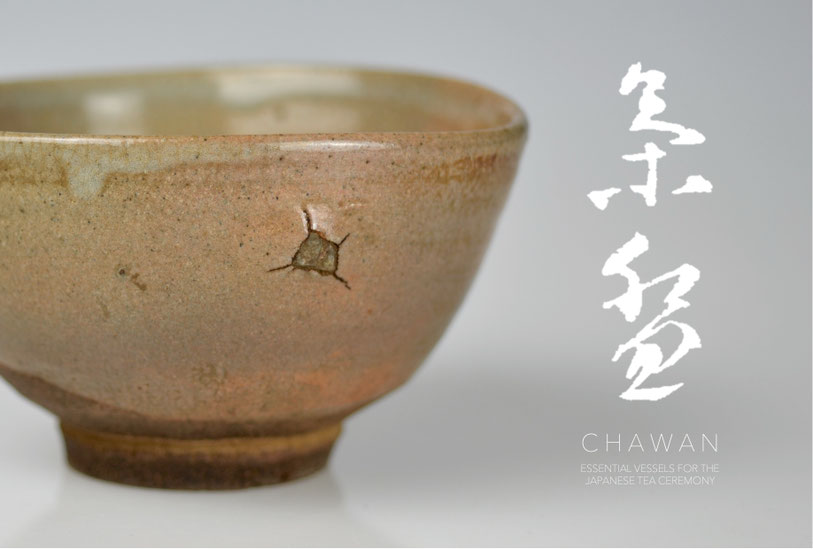
CHAWAN — Essential Vessels for
the Japanese Tea Ceremony
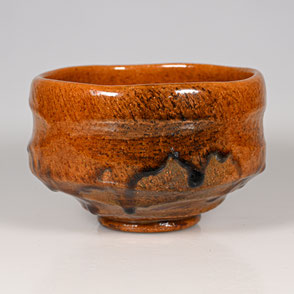
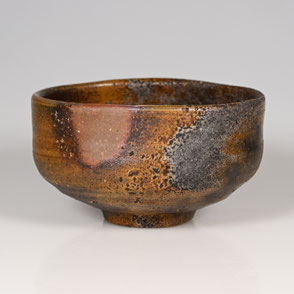
Traditional tea bowls for the Japanese tea ceremony lie at the heart of a centuries-old practice in which aesthetics, philosophy, and everyday life converge. As the most intimate point of contact between the practitioner and the tea, the chawan is not merely a vessel but an expression of wabi-sabi, material awareness, and personal sensibility. Its form, glaze, and traces of use reflect regional traditions, historical taste, and individual moments of encounter. This exhibition brings together selected historical and contemporary tea bowls, offering insight into the quiet depth and cultural significance of this essential vessel within the Japanese tea ceremony.


Object of the Month
As our Object of the Month, we are delighted to present an exceptional example of 18th-century Japanese painting: Smiling Tiger under a Waterfall by Matsui Genchū (1752–1813). Created during the Edo period, this powerful yet subtly playful composition depicts a tiger beneath a cascading waterfall—an image traditionally associated with strength, leadership, and spiritual resilience. Although Genchū never observed a living tiger firsthand, his masterful brushwork, dynamic lines, and expressive character convey remarkable vitality and presence. Rich in symbolic meaning, the painting evokes the balance of yin and yang, the interplay of water and wind, and the unseen presence of the dragon as a cosmic counterpart to the tiger. The work stands as a refined meditation on nature, power, and harmony, and represents a highlight of our collection.